

 020 3695 3702


 The teeth in your mouth are not just rooted into the jawbone, they do not just stand alone in the bone. They are supported by your gums, and also something called the alveolus, which is located beneath the visible gum line, and consists of a thin ridge of bone, ligaments, and soft tissues.
- Home
- News
News
How many bone grafts can you have?

Ancient Dental Implants
 It seems that the past not only resembles the future, the past is alive! An astounding find in the north of France uncovers one of the earliest example of a dental implant that resemble sits modern form. This is just more proof to the fact that nothing happens in a cultural vacuum, and that everything has predecessors and that every invention will probably (in time) give rise to other inventions. But let’s focus on the particular case of dental implants.
What to do with dead teeth
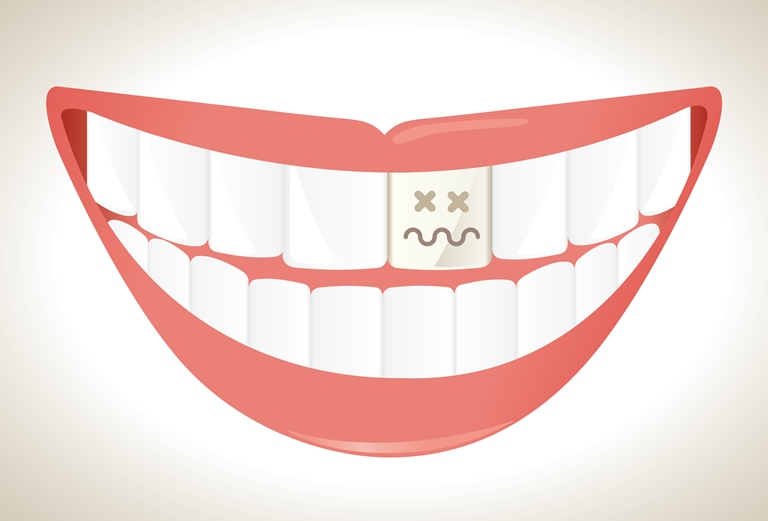 Teeth are a very special kind of organ. Half way between a bone and some connective tissue, teeth are living little organisms, or can be thought of as self contained little ecological systems. Like the analogy implies, teeth are alive, and they can die. But because they are so hard, and so resistant, they can stick around for quite some time after they die. A dead tooth can fulfill the functions it did in its life for years to come, if it is properly maintained.
Dental implant post operative instructions
After receiving your dental implant, the conditions in your mouth will have changed. There will be a very strict set of rules that you have to follow for the first 72 hours, but at the very least for the first 24 hours. If you do not follow these instructions, you risk dental implant failure, contracting an infection, and may have to suffer through the implantation process all over again. This is why it is very important that you follow these instructions to the letter.
-
Why Are My Teeth Moving?
- 2019. May 15
-
Nanotechnology for Better Dental Implants
- 2019. May 05
-
Foods to Prevent Dental Cavity
- 2019. April 25
-
Dental Implant FAQ 3.
- 2019. April 15
-
Dental Implant FAQ 2
- 2019. April 05
Tag cloud
teeth, tooth, dental implant, dental, dentist, dental implants, problem, implant, crown, pain,