

 020 3695 3702


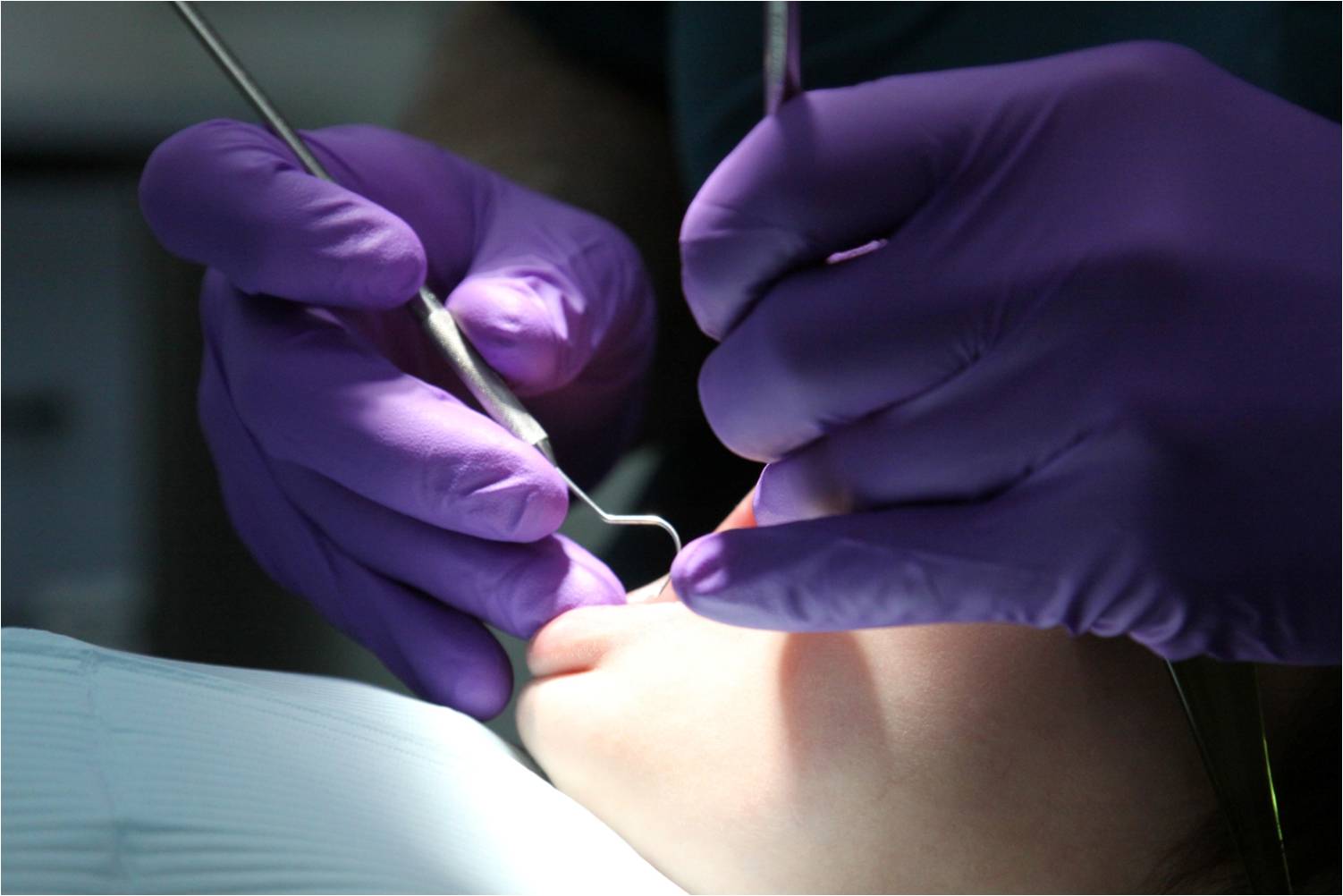
Did you know that over half of all UK residents do not visit the dentist regularly at all? Did you know that going to a dentist every six months for a routine check up and a hygiene session decreases the risk of tooth decay by up to 60%? This and other very useful information can be read in this super helpful infographic. Upon reading it, it occurred to me how incredibly important and vital a role regular dental checkups play in maintaining teeth, and in preventing problems from occurring, and how most people are not aware of the function of check ups, and see them as merely a problematic appointment to get out of when it rolls around, if they do not forget them automatically.
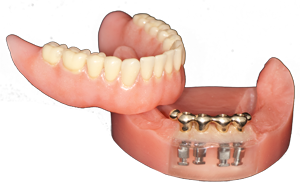
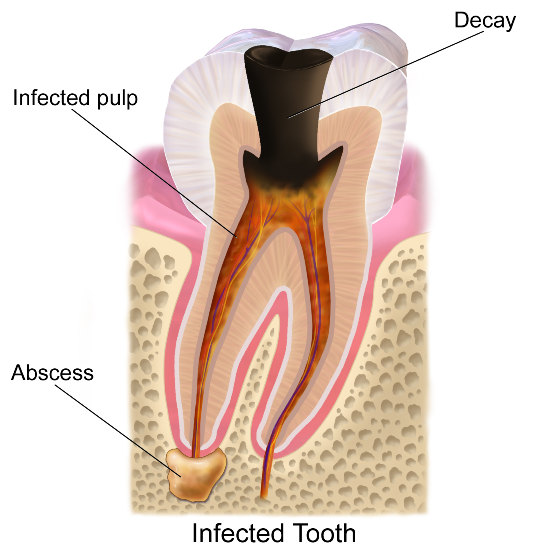 Tooth decay is usually known for its symptoms; terrible toothache, blackening of the tooth, the crumbling of tooth structures, gaping holes in the enamel and foul breath to top it all off. But what is tooth decay? Many people have some vague idea, that bacteria causes it, but how, why and what can be done to prevent it are frequently very misinformed. Here below I will present a blow by blow of what tooth decay is, what it isn’t, how it works, and how it can be stopped.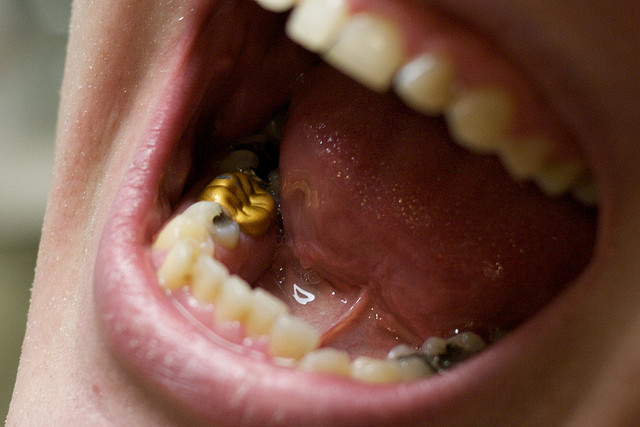
 The human body is an incredibly complex system, that currently seems like is beyond the scope of human understanding. While we understand the general laws and conditions which govern and affect the human body and many of the mechanisms that it uses to protect itself, we do not understand the minutia that can mean the difference between life and death, and we do not understand how things affect each other exactly.